What Is Asbestos ?
Understanding Asbestos and Its Potential Risks
What You Need to Know About Asbestos
Asbestos is a naturally occurring mineral that was widely used in construction materials due to its strength, heat resistance, and durability. It was commonly found in buildings built before asbestos restrictions were introduced, including materials such as roofing sheets, insulation boards, ceiling panels, wall coatings, and cement products.
While asbestos-containing materials can remain safe when they are in good condition and left undisturbed, damaged or deteriorating materials may release harmful fibres into the air. Exposure to asbestos fibres can pose serious health risks, which is why professional identification, testing, and management are essential.
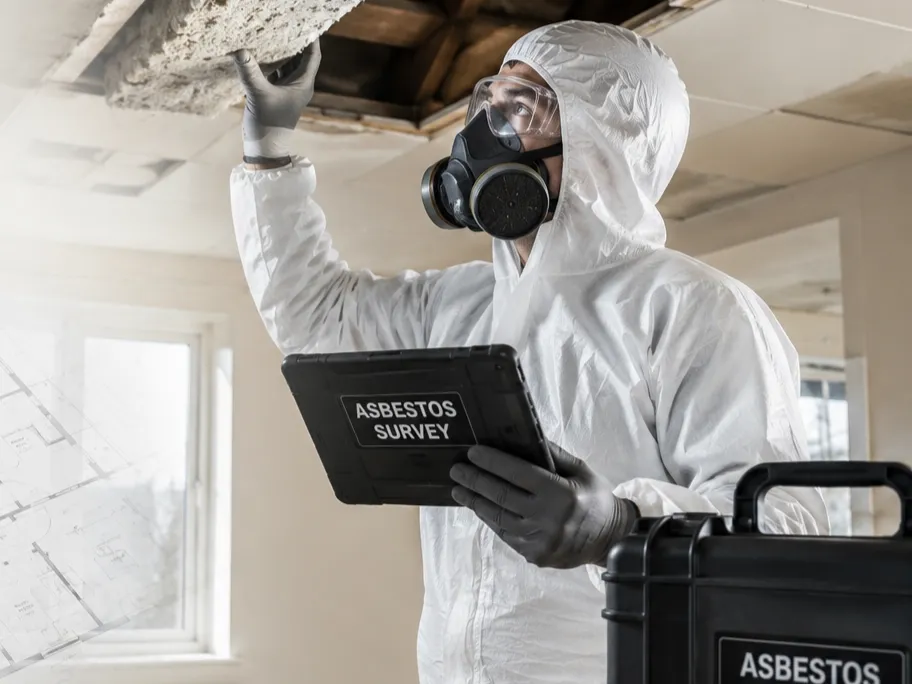
If you suspect asbestos may be present in your property, a professional asbestos survey can help identify potential risks and determine the appropriate action. Trained specialists can provide safe assessment, testing, removal, or management solutions while following strict safety procedures and industry regulations.
Asbestos Awareness: Facts and Information
1. Understanding Asbestos Materials
Asbestos is a group of naturally occurring minerals that were widely used in construction due to their strength, durability, and resistance to heat and fire. These materials were commonly found in older buildings and may still be present in roofs, ceilings, walls, insulation, and other building components.
2. Where Can Asbestos Be Found?
Asbestos-containing materials can be found in many areas of older properties, including roofing sheets, garage panels, ceiling tiles, insulation boards, floor materials, pipe coverings, and textured coatings. Identifying these materials through professional surveys is essential before renovation or repair work begins.
3. Why Was Asbestos Used in Buildings?
Asbestos became popular in the construction industry because it offered excellent fire resistance, strength, and insulation properties. Its versatility made it a common ingredient in thousands of building products used in homes, commercial properties, and industrial buildings.
4. Is Asbestos Dangerous?
Asbestos materials are generally considered low risk when they are intact and left undisturbed. However, damaged or disturbed asbestos can release tiny fibres into the air, which may create health risks if inhaled. Professional assessment helps identify and manage these risks safely.
5. How Is Asbestos Identified?
Asbestos cannot always be identified by simply looking at a material. Professional asbestos surveys and laboratory testing are required to confirm whether asbestos is present. Specialists use approved methods to inspect materials and provide accurate results.
Copyright 2026 . SureBuild Asbestos Survey Edmonton ltd
Office: 35a Bounces Rd, London N9 8JD, UK